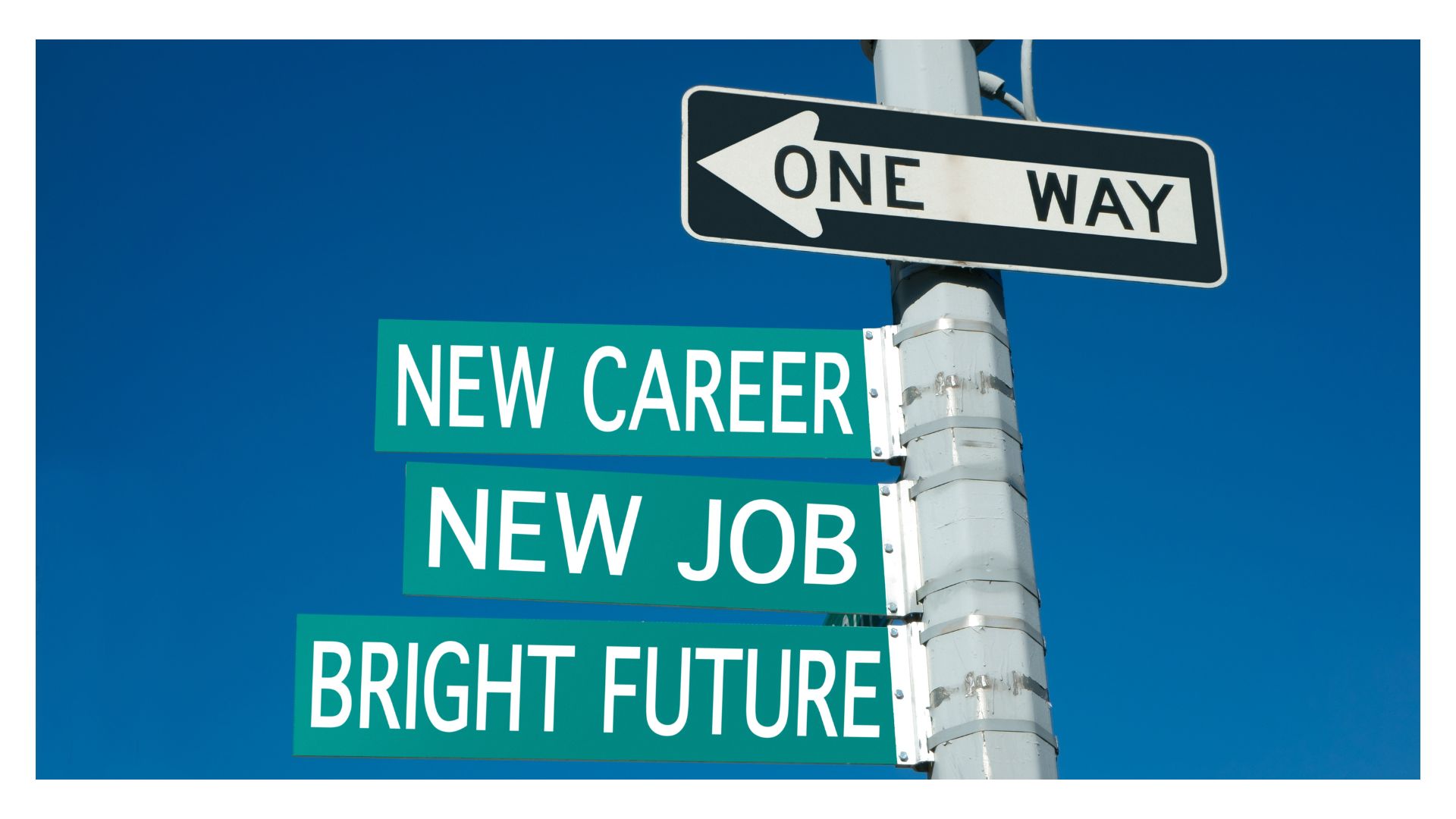
What College Doesn’t Teach You: How to Build the Executive Functioning Skills You Need for a Career
What College Doesn’t Teach You: How to Build the Executive Functioning Skills You Need for a Career
By: Jane Singleton, Founder & Certified Executive Leadership Coach, Launchpad for Life
College provides a syllabus, a schedule, and a grading rubric. The professional world provides none of those. For many recent graduates, the move from a structured academic environment to the "open-ended" nature of the workforce is where the breakdown begins.
This disconnect is not a lack of talent, it is an executive functioning gap. While a degree proves you can learn, it doesn't always prove you can manage the complex planning, reflection, communication and time management required to create a successful career trajectory.
The Career Performance Gap
The current job market is unforgiving to those who haven't mastered the unwritten rules of professional life:
- The Firing Crisis: A 2025 report from Intelligent.com revealed that 6 in 10 companies fired a recent college graduate within their first year, citing reasons like lack of motivation and poor professional communication.
- The Neurodivergent Hurdle: For graduates with ADHD, Autism, or other learning differences, the stakes are higher. Research from the UConn Center for Neurodiversity and Employment Innovation shows that 85% of autistic college graduates are underemployed or unemployed five years after graduation.
- The Skills Gap: According to NACE, while employers crave "Critical Thinking" and "Professionalism," they consistently report these as the most lacking skills in entry-level hires.
The Struggle to Identify the "Right" Career Path
One of the most significant pain points I see in my coaching practice is analysis paralysis of choice. When faced with infinite career options, many graduates stall. They struggle to identify a career path that fits their brain’s natural wiring because they have spent years trying to fit into a standardized academic mold.
Choosing a career isn't just about what you can do; it’s about understanding your executive functioning profile. Do you thrive in high-stakes, fast-paced environments, or does your brain require deep-focus time and predictable planning cycles? Without this big-picture thinking, many graduates choose roles that are a fundamental "mismatch" for their neurobiology, leading to early burnout.
The Invisible Demands: Applying and Networking
The act of getting a job is itself an executive functioning marathon. It requires:
- Task Initiation: Starting a high-stakes outreach email without a professor’s deadline.
- Planning and Prioritization: Managing dozens of applications and follow-ups.
- Navigating Social Nuance: Understanding the subtle art of networking and "the ask."
When these demands become too high, students often retreat into passive behaviors. They wait for the "rubric" to appear, unaware that in the workplace, you must create your own.
How an Executive Functioning Coach Helps Build Manageable Systems
Hiring a coach is an investment in big-picture systems design. I help my clients move from being overwhelmed by the details to mastering the process through:
- Reusable Templates: We build outreach and application systems that reduce cognitive load and prevent "reinventing the wheel" for every job.
- Implementable Checklists: We categorize common struggles into clear, actionable steps that improve follow-through.
- Chunking and Motivation: We break down the job search into manageable pieces to maintain motivation and avoid the "all-or-nothing" burnout cycle.
Moving from Passive to Active
In the academic world, motivation is often extrinsic—you perform for the grade. Many graduates enter the workforce in "passive mode," assuming that "doing what they are told" is the equivalent of earning an "A." In a professional setting, this is often misinterpreted as a lack of initiative.
To bridge this gap, you must move from a passive recipient of tasks to an active owner of your role. This requires a specific set of communication skills and reflection habits:
- Developing Ownership: Shifting the perspective from "I am here to be told what to do" to "I am the manager of this specific workflow."
- Understanding Motivation: Moving away from the hunt for a "grade" and toward understanding how your work directly impacts the company's big-picture goals.
- Obtaining Necessary Supports: True professional ownership means having the communication skills to advocate for the tools you need to be successful. This includes the ability to ask for specific deliverables, visual workflows, or "brain-based" accommodations that allow you to function at your peak without burning out.
Build a Path That Fits Your Brain
You don't need to work harder; you need to work with your brain. Whether you are a parent concerned about your child’s job search paralysis or a graduate ready to find a career path that honors your neurodivergence, I am here to help you build the launchpad you need. If you are curious to learn more book a free consult.

Meet Jane
Jane Singleton, Founder & Executive Coach, Launchpad for Life, is an expert in neurodiversity and has over 13 years of experience as a learning and behavioral specialist and educational program manager. Jane helps individuals, teams, and organizations navigate neurodiversity to optimize performance through learning how to work with cognitive and emotional strengths to enhance both leadership capacity and organizational well-being. She is an International Coaching Federation (ICF) certified executive coach (PCC) and holds an M.A. Ed in Special Education and a B.S. in Psychology and Communication Studies.
Be the first to know
Want updates on free resources and webinars?
Client Feedback and Impact
"Jane's timely, clear communication is a big plus. More generally, the chance to have a non-parental figure work with my son to help him develop and focus on goals made everyone happier! He was willing to accept suggestions and advice from you that he would have resisted if coming from his parents. According to my son, he felt Jane sometimes knew him better than he knew himself which made him more trusting."
"Excellent topic and session with a lot to take back to my HR director so we can have an improved on-boarding and work environment"
"Neurodiversity is such an important topic for every organization. I will be taking this information back to my organizational leadership since there is such a gap in understanding neurodiversity amongst employees especially at the leadership level."
"Drove home her key messages and takeaways in the 30 minutes really well. Very well versed expert in her subject matter. Discussions of learning and the brain can get complicated but she helped break it down very clearly.
"Our school was able to engage with Jane and had her speak during a virtual parent club. Jane was engaging, made the talk interactive, and provided extremely great knowledge and expertise to our families. I would absolutely hire her again!"
"My daughter felt very comfortable with Jane because she created a safe space for my daughter to converse with her and talk about her plans for the future. Jane was patient and encouraging but also persistent when needed. The college essay my daughter wrote was absolutely perfect! I would recommend Jane to anyone for help with the college application process."
"Great support for job search strategies and prioritizing. Highly recommend!"
"Jane has lead workshops for my parents, staff, and students. Her workshops are personalized, interactive and engaging. I highly recommend her workshops to anycommunity."
" I was looking for a coach to help keep me accountable and serve as a sounding board as I got my business off the ground. She is an excellent coach who is able to walk the fine line between compassion and progress. I always felt a genuine interest in my success and well-being while challenging me to stay focused on my goals. A couple of the Jane's standout qualities are to ask the questions that help explore root causes of my anxiety in different situations and to help me enhance my focus on the strategies and tactics most important to the success of my business."
"Jane has helped me through my second fall semester in college and has helped me with starting to find jobs before I left college. She has really helped me progress through my life."
"Throughout my entire college essay and application process, Jane has been a huge help to me with guiding me in all the right directions and helping me focus and secure my goal. I was able to come up and write a great essay with the help of her and was admitted to so many schools because of it. Thanks again Jane : )))"
"Jane has a wealth of information, advice and experience. Her ability to listen to and identify my obstacles is impeccable. We worked together on setting daily schedules, time blocking, time management and budgeting. Her practical application has helped me set and achieve both my personal and professional goals. Thank you!"
"I had a very good experience with Jane as a coach and she helped me develop a career plan and work on interview skills that helped me land a solid job out of college."
"Jane's presentation was very thought-provoking in terms of how successful leadership can create a positive, supportive culture in a school or organization."
"One of the most relatable & useful presentations on ADHD that I've ever attended! (As a person with ADHD, I've attended plenty) You articulated things that I thought were specific to my brand of quirkiness. So happy to know I'm not alone. The slides and your commentary were tremendously helpful. The BONUS was your Q&A at the end. Seriously, fantastic all-around!!"
"I appreciated that for each session you asked about goals for the session, kept us on track to cover those goals, and checked in at the end to see if I thought we covered those goals. The approach was very targeted and practical. I left each session with a clear plan for next steps that made me more likely to make real changes in my management approach. While this is the first time I worked with a personal coach, I was specifically looking for someone with experience working with a neurodiverse team. Your insights on how to communicate with and support team members with different ways of thinking and working was extremely valuable."
"Jane’s insights on how my brain works differently than others and being able to transfer that information to create goals and habits that are best suited for me was an amazing experience . The visual breakdowns of complex ideas and concepts so that they are easily understandable and transferable to everyday life. So you get the “oh that’s why I feel this way” moment and shifting your habits makes a lot more sense"